“tanning method” search results (400)

The harvest and processing process of coffee beans and two basic processing methods
Picking: due to climatic differences, the harvest season is usually from September to March in the Northern Hemisphere and from April to August in the Southern Hemisphere. When the coffee beans are ripe, they can be picked. In many alpine slopes, coffee must be picked manually. In relatively flat producing areas such as Brazil, Australia and Hawaii, they can be picked by machines. These two methods
2015-11-09 Coffee beans harvesting processing process and two basic treatment methods picking
Cuban Crystal Mountain Coffee by Solarization and Water Wash Flavor Description Grind Characteristics Variety Introduction
Coffee was introduced to Cuba from Domica in 1748, and Cuba has since grown coffee. The fertile soil, humid climate and abundant rainfall in Cuba make it a natural treasure for coffee cultivation. Suitable natural conditions provide a favorable natural environment for the growth of coffee trees, where coffee is well planted and developed. In Cuba, coffee cultivation is regulated by the State. Cuba is the best.
2016-10-12 Sunburn Wash Cuba Crystal Mountain Coffee Flavor Description Grind Characteristics Variety
Fine Coffee Bean Cuban Crystal Mountain Coffee Latest Coffee Processing Method
Crystal Mountain Coffee is produced on Crystal Mountain in Cuba, so it is called Cuban Crystal Mountain Coffee. Crystal Mountain Coffee is synonymous with top Cuban coffee because this area produces precious minerals such as quartz and crystal in addition to coffee. Crystal Mountain Coffee is characterized by its large size and bright green color. its flavor and taste characteristic: full of particles and uniform taste
2015-12-16 boutique coffee beans cuba crystal mountain coffee latest treatments methods
Coffee processing sun-dried bean flavor Ethiopia Sidamo Sidamo Guji Shaqi
Tanning is a traditional method for the initial processing of coffee beans, and at present, almost all coffee-growing countries such as Ethiopia and Yemen still use solarization to treat raw beans. Sun treatment will first identify sunken beans in the sink, that is, ripe or half-ripe beans are spread in the drying farm for natural drying. The specific time depends on the local climatic conditions, which usually takes two to four weeks.
2016-04-14 Coffee processing way Solar beans Flavor Ethiopia Dharma Sid
Natural removal of pectin coffee beans half-sun method Brazilian half-sun
Brazil used to use the method of tanning in the past, and there was a big difference in quality, which made Brazil Chongqing synonymous with low-to-middle quality. However, in order to improve its quality and reverse its image, the world's largest coffee producer carried out a quality revolution in the 1990s and vigorously promoted the global half-sun method. Brazilian coffee fields are endless and are mostly harvested mechanically in order to meet the economic benefits. When 75% of the coffee fruit in the coffee garden
2015-03-27 Nature removal pectin coffee beans solarization methods Western style Brazil past customary
Yega Xuefei G1
English name: Ethiopia, Wote Konga, Natural Yirgacheffe G.1 Commodity Specification: 227g Coffee country: Ethiopian Coffee producing area: Konga Wote growing altitude: above 1850m Coffee Variety: traditional Yega native species Coffee Grade: Grade 1 treatment method:
2014-08-14 Yega Xuefei G1 boutique Yega Xuefei Yega Xuefei G1 coffee beans
Brazilian half-sun-natural removal of pectin
Brazil used to use the method of tanning in the past, and there was a big difference in quality, which made Brazil Chongqing synonymous with low-to-middle quality. However, in order to improve its quality and reverse its image, the world's largest coffee producer carried out a quality revolution in the 1990s and vigorously promoted the global half-sun method. Brazilian coffee fields are endless and are mostly harvested mechanically in order to meet the economic benefits. When 75% of the coffee fruit in the coffee garden
2014-08-07 Western style solarization nature removal pectin Brazil past habitual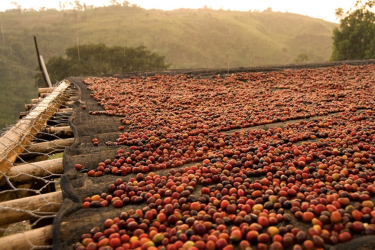
What is sun treatment? introduction to the flavor and taste characteristics of the technological steps of sun-drying coffee beans
Tanning is a traditional method for the initial processing of coffee beans, and at present, almost all coffee-growing countries such as Ethiopia and Yemen still use solarization to treat raw beans. Sun treatment will first identify sunken beans in the sink, that is, ripe or half-ripe beans are spread in the drying farm for natural drying. The specific time depends on the local
2023-03-05 What solarization treatment how one coffee beans primary processing tradition coffee
Introduction to the treatment methods of raw coffee beans there are several treatment methods for raw coffee beans
Semi-washing (semi-lavado), also known as honey, miel, is actually a combination of tanning and water-washing fermentation to treat raw beans. First remove the peel and pulp of coffee, and then, according to the need, decide whether to use a pectin removal machine (desmucilaginador) to remove pectin, or how much pectin to remove, and finally dry the raw beans with shells by sun drying or machine drying or both.
2016-07-27 Coffee raw beans treatment methods introduction several kinds washing semi-l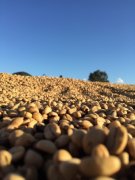
Brazilian half-sun details the process of natural pectin removal
Brazil used to use the method of tanning in the past, and there was a big difference in quality, which made Brazil Chongqing synonymous with low-to-middle quality. However, in order to improve its quality and reverse its image, the world's largest coffee producer carried out a quality revolution in the 1990s and vigorously promoted the global half-sun method. Brazilian coffee fields are endless and are mostly harvested mechanically in order to meet the economic benefits. When 75% of the coffee fruit in the coffee garden
2015-05-15 Western style solarization detailed explanation nature removal pectin process Brazil past usage
Introduction to coffee treatment: introduction to honey treatment
Dry treatment Dry Processing dry treatment is the most primitive treatment method; compared with wet treatment (water washing method) it needs less equipment and water source, manpower cooperation, the treatment method is relatively simple. It covers the following different ways:? Sun-Dried / Natural tanning? Pulped Natural / Honey (Miel) honey treated Sun-Dried or Na
2016-08-03 Coffee processing introduction method dry Dry Processi
Ethiopia Sidama coffee beans flavor description processing method Variety characteristics Introduction
The four major cultivation systems are distributed in the following nine major production areas of Ethiopia: Gemma, Sidama, Yegashefi, Hara, Limu, Iruba, Kimbi (Lekanti), Tiebi and Bebeka. Generally speaking, each region has its own flavor, basically, western tiebi, beibeka, iruba and west
2016-10-20 Ethiopia Dharma Coffee Bean Origin Flavor Description Treatment Variety Characteristics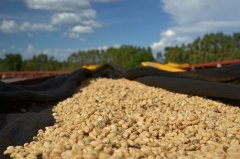
Coffee Bean Processing Method Introduction Sunlight Coffee Bean Processing Method Ethiopia Sunlight Ye Jia Xue Fei
Solarization is a traditional method of primary processing of coffee beans, and ancient coffee growing countries such as Ethiopia and Yemen still use solarization almost exclusively for raw beans. Sun-drying begins by spreading tank-identified beans, ripe or semi-ripe, on a drying ground. The exact time depends on local climatic conditions, and generally takes two weeks to four weeks.
2016-04-25 Coffee beans green beans processing profile sun fasa bia yega sherry
Introduction to the characteristics of Yega Xuefei Fine Coffee Bean Flavor Manor
The traditional way of tanning in Ethiopia is rough and smelly, so it is popular.
2016-08-16 Yuyun Sweet Yega Chevy Fine goods Coffee beans Flavor Taste Manor producing area
Introduction to the flavor and taste characteristics of Yejasuffi Coffee Manor in Yuyun
The traditional way of tanning in Ethiopia is rough and smelly, so it is popular.
2016-08-08 Yuyun Sweet Yega Chevy Coffee Manor producing area Flavor palate characteristics
Cuban crystal coffee using the most traditional coffee processing methods
In Cuba, coffee beans are mostly picked by hand. During the ripening period of coffee beans, they are picked about once every half month. During or after picking, coffee beans are sorted to eliminate immature and bad beans to ensure coffee quality. Cubans usually treat coffee beans in two ways: sunning and washing. Sunburn is the easiest,
2016-06-28 Cubana Traditional Coffee Processing Method Cuban Crystal Presentation Coffee Bean
Brazil Coffee processing Diversified Coffee basic knowledge
Brazilian coffee farms choose sun, half-sun or water washing treatments according to the dry and humidity conditions of the climate to show the best regional flavor. Such a pluralistic approach is rare in the world. Before 1999 ⊙, rough tanning was almost always used in Brazil. This is the main culprit for Brazilian beans to be easily infected with the smell of dirt and rotten wood, because coffee fruits are exposed to the sun for two to three weeks.
2015-02-12 Brazil coffee processing methods diversification basics common sense farms
Introduction to the varieties of grinding degree of Sidamo coffee beans by description of taste and flavor
Sidamo Coffee beans are grayish, thick in some places and small in others, with soft and strong acidity, mellow and sweet and spicy. It is one of the courtyard coffees in the highlands of southern Ethiopia. Unlike ordinary African coffee, Sidamo has clear acidity, smooth taste and delicate floral smell. About the tanning method in Ethiopia (high scaffolding)
2016-10-21 Dharma coffee beans grades taste flavor description treatment grinding varieties introduction

The flavor and taste characteristics of Sidamo Coffee Manor with exquisite floral smell.
1. After picking beans without special screening and treatment, uneven appearance and maturity are mixed together, the process is relatively rough, so the quality of coffee beans is unstable and prone to defective beans. two。 Coffee farmers usually find an open space near their home to deal with it, so there are often a lot of impurities or dirt on the ground, and coffee is easy to get smelly. Improved tanning method
2016-08-10 With exquisite flowers smell Dharma coffee manor producing area flavor taste